


Burgmann Mechanical Seal
Your Trusted Burgmann Mechanical Seal Manufacturer!
CL Company specializes in the production of mechanical seals, rotating mechanical seals, vacuum pump mechanical seals, hot oil pump mechanical seals, etc., with more than 20 years of industry experience.
Large enterprise scale
wide application of technology
high-quality customized services

High quality
Quick delivery for our globad istributors
advanced equipment
More than 20 production lines
professional team
More than 100 technical staff
one-stop solution
7x24 hours Online


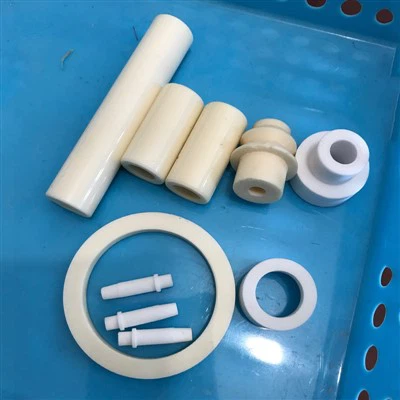

What is burgmann mechanical seal ?
Burgmann mechanical seals are a type of sealing device used in various industries to prevent leakage of fluids, gases, or contaminants from rotating equipment.
Burgmann mechanical seals are designed to create a secure and reliable barrier between the rotating and stationary parts of equipment, such as pumps, mixers, compressors, and other types of machinery.
1.Stationary Ring: The stationary ring, also known as the seat or housing, is the component that is fixed in place and provides a stationary sealing surface. It is usually made of materials such as carbon, ceramic, or tungsten carbide. The stationary ring forms a tight seal with the rotating ring to prevent fluid leakage.
2.Rotating Ring: The rotating ring, also known as the primary ring or mating ring, is attached to the rotating shaft of the equipment and rotates with it. It forms the dynamic sealing surface and is designed to make contact with the stationary ring. The rotating ring is commonly made of materials like carbon, silicon carbide, or tungsten carbide.
3.Secondary Sealing Elements: Burgmann mechanical seals incorporate secondary sealing elements, which help enhance the sealing performance. These elements include O-rings, elastomer bellows, or other types of gaskets. They provide additional sealing and ensure proper alignment between the stationary and rotating rings, accommodating for any axial or radial movement.
4.Spring Or Bellows: Mechanical seals often feature a spring or bellows component that provides consistent pressure between the stationary and rotating rings. This pressure helps maintain the sealing contact and compensates for any wear or movement. The spring or bellows can be designed in various configurations, such as single coil springs, multiple springs, or metal bellows.
5.Gland Or Housing: The gland or housing is the part of the mechanical seal assembly that holds and supports the stationary and rotating rings. It provides a means to adjust the compression force on the seal faces and ensures proper alignment and sealing integrity.
Advantage Of Burgmann Mechanical Seal
Effective Sealing Performance
Burgmann mechanical seals are designed to provide reliable and effective sealing solutions for rotating equipment, preventing fluid leakage and minimizing downtime.
Wide Range Of Applications
Burgmann mechanical seals can be used in a variety of industries and applications, including chemical processing, oil and gas, water treatment, pharmaceuticals, food and beverage, and HVAC systems, among others.
High Durability
Burgmann mechanical seals are built to withstand harsh operating conditions, including high pressure, high temperature, and aggressive media. They are made from high-quality materials, such as silicon carbide, tungsten carbide, and carbon, that are resistant to wear and corrosion.
Easy Installation And Maintenance
Burgmann mechanical seals are easy to install and maintain, with simple assembly and disassembly procedures. This helps minimize downtime and reduce maintenance costs.
Cost-effective
Despite their high-performance capabilities, Burgmann mechanical seals are competitively priced, making them a cost-effective solution for sealing applications.
Customizable
Burgmann offers a wide range of mechanical seal designs, including single seals, double seals, cartridge seals, and split seals, among others, that can be customized to fit specific application requirements.
Material Of Burgmann Mechanical Seal
Carbon is a popular material for mechanical seals due to its self-lubricating properties, high wear resistance, and low coefficient of friction. It is commonly used for the rotating ring component of the seal.
Ceramic materials, such as silicon carbide and alumina, are used for their high hardness, excellent wear resistance, and chemical resistance. They are commonly used for the stationary ring and other sealing elements.
Tungsten carbide is a hard and dense material that offers excellent wear resistance, toughness, and chemical resistance. It is commonly used for both the stationary and rotating rings.
Elastomers, such as Nitrile, EPDM, Viton, and Kalrez, are used for secondary sealing elements, such as O-rings and bellows. These materials offer good sealing performance, flexibility, and chemical resistance.
Some mechanical seals may use metals, such as stainless steel or bronze, for certain components, such as the gland or housing. These materials offer good durability, corrosion resistance, and mechanical strength.
Process Of Our Mechanical Seal
1.Preparation: Ensure that you have the correct Burgmann mechanical seal for your equipment and application. Review the installation instructions provided by us for any specific requirements or recommendations.
2.Equipment Shutdown: Safely shut down the equipment and ensure that all rotating parts have come to a complete stop before proceeding with the installation.
3.Remove Old Seal: If replacing an existing mechanical seal, carefully remove the old seal components, including the stationary and rotating rings, secondary sealing elements, and any associated springs or bellows. Take note of the orientation and arrangement of the components for proper reassembly.
4.Clean And Inspect: Thoroughly clean the seal chamber and inspect it for any damage or wear. Remove any debris or contaminants that could interfere with the new seal's performance.
5.Install Stationary Ring: Insert the new stationary ring into the seal chamber, ensuring that it is properly seated and aligned. Follow any specific instructions provided by Burgmann regarding proper installation techniques or the use of lubricants or sealants.
6.Install Rotating Ring: Attach the rotating ring to the rotating shaft of the equipment. Pay attention to the proper orientation and alignment of the rotating ring with respect to the stationary ring. Again, refer to the installation guidelines provided by us for any specific instructions.
7.Secondary Sealing Elements: Install any secondary sealing elements, such as O-rings or elastomer bellows, as specified by the seal design. Ensure proper alignment and fitment of these elements to provide optimal sealing performance.
8.Spring Or Bellows Installation: If the mechanical seal design includes a spring or bellows component, carefully install it according to the manufacturer's instructions. Ensure proper compression and alignment to maintain consistent pressure between the stationary and rotating rings.
9.Gland Assembly: Assemble the gland or housing components to secure and support the mechanical seal assembly. Follow any specific guidelines provided by Burgmann for proper gland assembly and adjustment.
10.Final Checks: Double-check all components for proper alignment, fitment, and installation. Ensure that all fasteners are properly tightened, but avoid over-tightening, which could damage the seal.
11.Equipment Startup: Once the mechanical seal is installed, start the equipment and monitor it closely for any signs of leakage or abnormal operation. Make any necessary adjustments or repairs if issues are detected.
Enterprise Development History

FAQ
Q: What is a Burgmann mechanical seal?
Q: What are the advantages of using Burgmann mechanical seals?
Q: Are Burgmann mechanical seals compatible with different fluids?
Q: How do I select the right Burgmann mechanical seal for my application?
Q: Can I replace a different brand's mechanical seal with a Burgmann seal?
Q: How long does a Burgmann mechanical seal typically last?
Q: What maintenance is required for Burgmann mechanical seals?
Q: Can your mechanical seals handle high-temperature applications?
Q: Are your mechanical seals suitable for corrosive environments?
Q: Can I use a mechanical seal in a vacuum application?
Q: How can I prevent leakage from a mechanical seal?
Q: What should I do if my Burgmann mechanical seal leaks?
Q: Can I repair a Burgmann mechanical seal?
Q: Are Burgmann mechanical seals easy to install?
Q: Can I install a Burgmann mechanical seal myself or should I seek professional help?
Q: Do I need any special tools to install a Burgmann mechanical seal?
Q: Are Burgmann mechanical seals suitable for high-pressure applications?
Q: Can I use a Burgmann mechanical seal in a hazardous environment?
Q: What is the warranty period for Burgmann mechanical seals?
Q: How do I contact Burgmann for technical support or further assistance?
As one of the leading burgmann mechanical seal manufacturers and suppliers in China, we warmly welcome you to buy discount burgmann mechanical seal in stock here from our factory. All customized products are with high quality and competitive price. For free sample, contact us now.
High Pressure Mechanical Seal, Agitator Mechanical Seal, Double Mechanical Seal