


Mechanical Shaft Seal

We are always at your service when you need
CL Company is a small and medium-sized enterprise integrating development and production. The company specializes in the production of Mechanical Shaft Seal, Safematic Mechanical Seal, Double Seal Pump, Carbon Mechanical Seal, etc., and has more than 20 years of industry experience. At present, the company has more than 80 models, each model has dozens of sizes for online production, and supports customized production according to customer drawings and samples.
Covered Area
years experience
Multiple Models
Production Lines


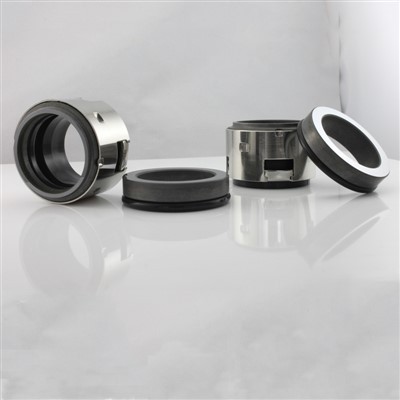


A mechanical shaft seal, also known as a mechanical face seal or mechanical seal, is a device used to prevent fluid leakage along the rotating shaft of a machine, such as a pump, compressor, or mixer. It consists of two primary components:
1.Stationary Seal Face: This is a stationary component of the mechanical seal that is typically mounted in a housing or gland. It remains fixed while the shaft rotates. The stationary seal face is often made of a hard material, such as carbon or ceramic, with a smooth and flat surface.
2.Rotating Seal Face: This component is attached to the rotating shaft and moves with it. The rotating seal face is usually made of a softer material, such as carbon or a synthetic material like Teflon®, with a complementary smooth and flat surface. It is designed to maintain contact with the stationary seal face, creating a seal between them.
When a mechanical shaft seal is installed on a machine, the stationary and rotating seal faces are pressed together under pressure, creating a seal that prevents fluid from leaking out of the machine along the shaft. The seal faces remain in contact, forming a thin film of lubricating fluid between them, which helps reduce friction and wear.
Application Of Mechanical Shaft Seal
Mechanical shaft seals are used in a variety of applications to prevent leakage of fluid or gas along rotating shafts. Here are some common applications of mechanical shaft seals:
Pumps
Mechanical seals are commonly used in centrifugal pumps to prevent the escape of fluid from the pump volute. They are also used in positive displacement pumps such as gear pumps and screw pumps.


Mixers and Agitators
Mechanical seals are used in mixers and agitators to prevent leakage of fluid or gas along the shaft. They are commonly used in the chemical, food, and pharmaceutical industries.
Compressors
Mechanical seals are used in compressors to prevent leakage of gas along the rotating shaft. They are commonly used in refrigeration and air conditioning systems.


Turbines
Mechanical seals are used in steam turbines to prevent leakage of steam along the shaft. They are also used in gas turbines to prevent leakage of gas along the shaft.
Marine Propulsion Systems
Mechanical seals are used in marine propulsion systems to prevent seawater from entering the engine room through the propeller shaft.

Precautions For Daily Use Of Mechanical Shaft Seal
When using mechanical shaft seals, it is important to take certain precautions to ensure their proper functioning and longevity. Here are some precautions for the daily use of mechanical shaft seals:
1.Proper Installation: Ensure that the mechanical seal is installed correctly according to the manufacturer's instructions. Improper installation can lead to premature failure or leakage.
2.Lubrication: Adequate lubrication is essential for the smooth operation of mechanical seals. Make sure that the sealing faces are properly lubricated with compatible lubricants. Follow the recommended lubrication schedule and use the appropriate lubricants.
3.Shaft Alignment: Misalignment of the shaft can cause excessive wear on the sealing faces and lead to leakage. Regularly check and maintain proper shaft alignment to minimize stress on the mechanical seal.
4.Temperature And Pressure Control: Mechanical seals have temperature and pressure limits specified by the manufacturer. Ensure that the operating conditions, including temperature and pressure, are within the recommended range to prevent seal damage.
5.Avoid Dry Running: Mechanical seals require a film of fluid to provide lubrication and cooling. Avoid dry running of the seal, as it can cause friction and damage the sealing faces. Ensure that the pump or equipment is always properly primed before operation.
6.Regular Inspections: Perform regular inspections of the mechanical seal to check for any signs of wear, damage, or leakage. Address any issues promptly to prevent further damage and maintain seal integrity.
7.Clean Environment: Keep the surrounding environment clean to prevent the ingress of contaminants that can affect the performance of the mechanical seal. Regularly clean and remove any debris or particles that may accumulate around the seal area.
8.Follow Maintenance Schedule: Follow the recommended maintenance schedule provided by the manufacturer. This may include tasks such as cleaning, lubrication, and replacement of worn components. Adhering to the maintenance schedule can prolong the life of the mechanical seal.
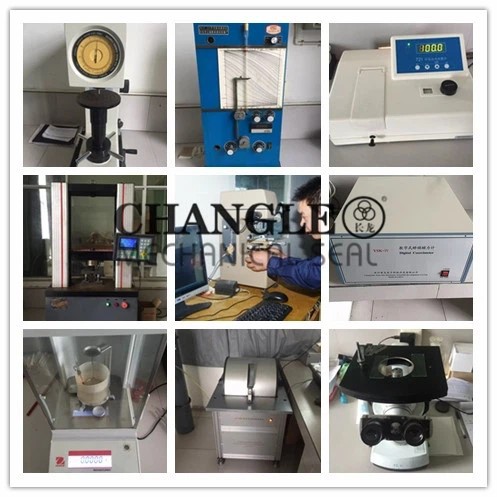
Our Workshops And Equipment


What happens if you use a bad mechanical shaft seal?
Using a bad or faulty mechanical shaft seal can have several consequences, impacting both the equipment and the overall system. Here are some potential outcomes:
Leakage
A bad mechanical shaft seal is likely to result in fluid or gas leakage along the shaft. This can lead to environmental contamination, loss of valuable fluids, and potential safety hazards. Depending on the application, leakage may cause damage to surrounding equipment, affect product quality, or pose risks to personnel.
01
Reduced Efficiency
A compromised mechanical seal can lead to reduced efficiency of the equipment or system. It may result in decreased performance, such as lower flow rates, reduced pressure, or insufficient sealing capabilities. This can negatively impact the overall productivity and effectiveness of the system.
02
Increased Energy Consumption
When a mechanical seal is not functioning properly, it can cause increased friction and resistance, leading to higher energy requirements. The equipment may need to work harder to compensate for the inefficiencies caused by the bad seal. This can result in increased energy consumption and higher operational costs.
03
Equipment Damage or Failure
A bad mechanical shaft seal can cause damage to the equipment itself. Excessive leakage, overheating, or increased vibration can lead to premature wear and tear on the shaft, bearings, and other components. If left unaddressed, this can eventually lead to equipment failure, requiring costly repairs or replacements.
04
Safety Risks
In certain applications, such as those involving hazardous or volatile substances, a bad mechanical seal can pose serious safety risks. Leakage can release toxic or flammable fluids or gases into the environment, potentially jeopardizing the safety of personnel and causing environmental damage.
05
FAQ
Q: What is the purpose of a shaft seal?
Q: What is the difference between mechanical seal and seal?
Q: What are mechanical seals for vessels?
Q: What is the main function of a mechanical seal?
Q: Is a mechanical shaft seal necessary?
Q: What is the difference between oil seal and shaft seal?
Q: Is shaft seal and oil seal same?
Q: What is the most commonly used mechanical seal?
Q: Can you touch a mechanical seal?
Q: How long do mechanical seals last?
Q: Do mechanical seals need lubrication?
Q: What are the three types of mechanical seals?
Q: Are mechanical seals designed to leak?
Q: Which is better gland seal or mechanical seal?
Q: Which part of a mechanical seal turns with the shaft?
Q: What are the advantages of a mechanical seal?
Q: How do I know if my shaft seal is bad?
Q: What are the symptoms of a bad shaft seal?
Q: How do you know if a mechanical seal is failing?
Q: What are the two main parts of a mechanical seal?
As one of the leading mechanical shaft seal manufacturers and suppliers in China, we warmly welcome you to buy discount mechanical shaft seal in stock here from our factory. All customized products are with high quality and competitive price. For free sample, contact us now.
Mechanical Water Seal, Roten Seals, Mechanical Seal Materials