

Are there any safety precautions when using Eagle Burgmann Seal?
As a reputable supplier of Eagle Burgmann Seal, ensuring the safe and proper use of our products is of utmost importance. Here are some essential safety precautions that users should take when using Eagle Burgmann Seal.
1. Pre - installation Precautions
Before installing an Eagle Burgmann Seal, a thorough inspection of all components is necessary. Check that the seal parts are free from any visible damage, cracks, or deformities. Any defective parts should be replaced immediately to prevent seal failure during operation.
We also recommend referring to the manufacturer's installation instructions. These instructions are designed to guide you through the correct installation process, ensuring that the seal is installed at the right position and with the correct alignment. Incorrect installation can lead to premature wear and tear, leakage, and even equipment damage.
For example, when dealing with specific types of seals like the Fluiten Mechanical Seal, the installation requirements might vary. It's crucial to follow the specific guidelines for this type of seal to guarantee its proper functionality.
2. Handling Precautions
When handling Eagle Burgmann Seals, always use clean tools and work in a clean environment. Dirt, dust, and debris can easily contaminate the sealing surfaces, which can compromise the seal's performance. Wear clean gloves to prevent leaving fingerprints or other contaminants on the seal.
Avoid dropping or subjecting the seal to excessive impacts. Seals are precision components, and even a minor impact can cause internal damage that may not be immediately visible but can lead to problems later.
3. Operating Conditions
Understanding and maintaining the appropriate operating conditions is vital for the safe use of Eagle Burgmann Seals. Temperature, pressure, and the nature of the fluid being sealed are key factors.
Temperature
Each Eagle Burgmann Seal is designed to operate within a specific temperature range. Exceeding this range can cause the seal materials to expand or contract, leading to leakage or seal failure. For example, some elastomers used in seals may harden or become brittle at low temperatures, while others may soften or degrade at high temperatures.

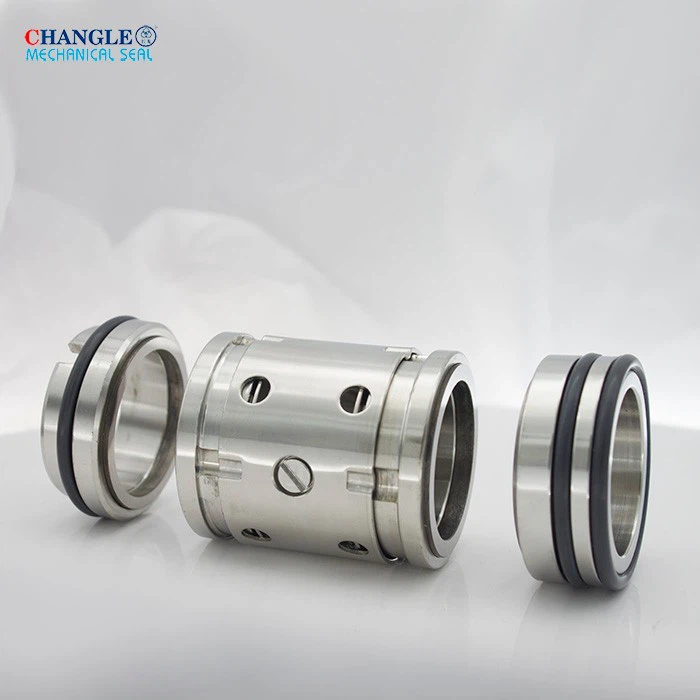
Pressure
The pressure rating of the seal must be carefully considered. The system pressure should not exceed the maximum allowable pressure of the seal. High - pressure conditions can cause the seal to be compressed beyond its design limits, resulting in leakage or rupture.
Fluid Compatibility
The fluid being sealed must be compatible with the seal materials. Different chemicals and fluids can react with the seal materials in various ways. For instance, some aggressive chemicals can corrode the seal, while others may cause swelling or dissolution. Before using an Eagle Burgmann Seal in a particular application, ensure that the seal materials are compatible with the fluid. Seals such as the Din 24960 may have specific fluid compatibility requirements, so it's essential to check the documentation.
4. Maintenance Precautions
Regular maintenance is necessary to keep Eagle Burgmann Seals in optimal condition. This includes monitoring the seal's performance regularly. Check for signs of leakage, abnormal vibrations, or changes in operating parameters.
Inspect the seal and its associated components at regular intervals. Replace any worn - out parts promptly. Lubrication, if required, should be carried out in accordance with the manufacturer's recommendations. Incorrect or insufficient lubrication can increase friction and wear on the seal surfaces.
5. Emergency Situations
In case of an emergency, such as a sudden seal failure or a significant increase in leakage, it's important to have a well - established emergency response plan. Shut down the equipment immediately to prevent further damage and potential safety hazards.
If the fluid being sealed is hazardous, follow the appropriate safety procedures for handling and containing the spill. Contact your maintenance team or supplier for assistance in troubleshooting and replacing the failed seal.
6. Safety Training
All personnel involved in the installation, operation, and maintenance of Eagle Burgmann Seals should receive proper safety training. This training should cover the correct procedures for handling, installing, and maintaining the seals, as well as emergency response protocols.
Trained personnel are more likely to identify potential safety issues early and take the necessary measures to prevent accidents. They will also be able to operate the equipment safely, ensuring the longevity of the seals and the overall performance of the system.
7. Specific Seal - related Considerations
Different types of Eagle Burgmann Seals may have additional safety precautions. For example, the Grundfos Mechanical Seal is designed for specific applications and may require particular attention during installation and operation.
For segmented seals, extra care should be taken during installation to ensure proper alignment of the segments. Any misalignment can lead to uneven wear and leakage. Cartridge seals, on the other hand, are pre - assembled and easier to install, but they still require careful handling and inspection to ensure proper functioning.
8. Documentation and Record - keeping
Maintain detailed records of all seal installations, maintenance activities, and any incidents or failures. This documentation can be invaluable for troubleshooting and preventive maintenance. It can help you identify trends in seal performance and make informed decisions about future seal replacements and upgrades.
By adhering to these safety precautions, users can ensure the safe and reliable operation of Eagle Burgmann Seals. At our company, we are committed to providing high - quality seals and comprehensive support to our customers. If you have any questions or are interested in purchasing Eagle Burgmann Seals or need more information about their safety and proper use, please don't hesitate to reach out for procurement discussions.
References
- Eagle Burgmann Product Manuals
- Industry Standards and Best Practices for Mechanical Seals
- Technical Papers on Mechanical Seal Safety and Performance