

How does a mechanical oil seal work?
As a trusted supplier of mechanical oil seals, I've had the privilege of witnessing firsthand the critical role these components play in a wide range of industrial applications. In this blog post, I'll delve into the intricate workings of mechanical oil seals, shedding light on their design, function, and the factors that contribute to their effectiveness.
The Basics of Mechanical Oil Seals
Mechanical oil seals are essential devices used to prevent the leakage of lubricants, such as oil or grease, from rotating or reciprocating shafts in machinery. They also serve to keep out contaminants, such as dust, dirt, and water, which can cause damage to the internal components of the equipment. These seals are commonly found in engines, pumps, gearboxes, and other rotating machinery.
The primary components of a mechanical oil seal typically include a sealing element, a metal casing, and a spring. The sealing element, often made of rubber or elastomer, is the part that comes into direct contact with the shaft and forms a barrier against fluid leakage. The metal casing provides structural support and helps to maintain the position of the sealing element. The spring is used to apply a radial force to the sealing element, ensuring a tight seal against the shaft.
How Mechanical Oil Seals Work
The operation of a mechanical oil seal is based on the principle of creating a dynamic seal between the rotating shaft and the stationary housing. When the shaft rotates, the sealing element is pressed against the shaft by the spring force, creating a tight contact area. This contact area forms a barrier that prevents the lubricant from leaking out and the contaminants from entering the system.
As the shaft rotates, a thin film of lubricant is formed between the sealing element and the shaft. This film acts as a lubricant and a coolant, reducing friction and wear between the two surfaces. The thickness of the lubricant film is crucial for the proper functioning of the seal. If the film is too thin, it may not provide sufficient lubrication, leading to increased friction and wear. On the other hand, if the film is too thick, it may cause excessive leakage.
The effectiveness of a mechanical oil seal depends on several factors, including the design of the seal, the material of the sealing element, the surface finish of the shaft, and the operating conditions. A well-designed seal with the right material and proper installation can provide a long-lasting and reliable seal, even under harsh operating conditions.
Design Considerations
When designing a mechanical oil seal, several factors need to be considered to ensure optimal performance. These factors include the type of application, the operating temperature, the pressure, the speed of the shaft, and the type of lubricant used.
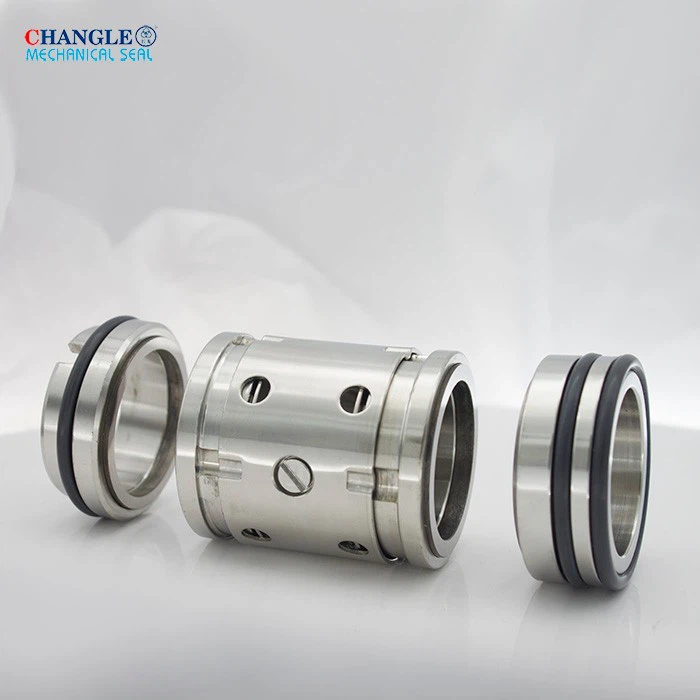

- Type of Application: Different applications require different types of seals. For example, a seal used in a high-speed application may require a different design than a seal used in a low-speed application. The type of application also determines the size and shape of the seal.
- Operating Temperature: The operating temperature can have a significant impact on the performance of the seal. High temperatures can cause the sealing element to expand, leading to increased friction and wear. Low temperatures can cause the sealing element to become brittle, reducing its flexibility and sealing ability. Therefore, it is important to choose a seal material that can withstand the operating temperature range of the application.
- Pressure: The pressure in the system can also affect the performance of the seal. High pressures can cause the sealing element to deform, leading to leakage. Therefore, it is important to choose a seal that can withstand the pressure of the system.
- Speed of the Shaft: The speed of the shaft can also affect the performance of the seal. High speeds can cause increased friction and wear, leading to premature failure of the seal. Therefore, it is important to choose a seal that can withstand the speed of the shaft.
- Type of Lubricant: The type of lubricant used in the system can also affect the performance of the seal. Some lubricants can cause the sealing element to swell or degrade, leading to leakage. Therefore, it is important to choose a seal material that is compatible with the type of lubricant used.
Materials Used in Mechanical Oil Seals
The choice of material for the sealing element is crucial for the performance of the mechanical oil seal. Different materials have different properties, such as hardness, elasticity, chemical resistance, and temperature resistance. The most commonly used materials for mechanical oil seals include rubber, elastomers, and polymers.
- Rubber: Rubber is a widely used material for mechanical oil seals due to its excellent elasticity, flexibility, and sealing ability. It can withstand a wide range of temperatures and pressures and is resistant to many chemicals. Some common types of rubber used in seals include nitrile rubber (NBR), fluorocarbon rubber (FKM), and silicone rubber (VMQ).
- Elastomers: Elastomers are synthetic materials that have similar properties to rubber. They are often used in applications where high performance and durability are required. Some common types of elastomers used in seals include polyurethane (PU), ethylene propylene diene monomer (EPDM), and acrylate rubber (ACM).
- Polymers: Polymers are high-molecular-weight materials that have excellent mechanical properties and chemical resistance. They are often used in applications where high temperature and chemical resistance are required. Some common types of polymers used in seals include polytetrafluoroethylene (PTFE), polyether ether ketone (PEEK), and polyimide (PI).
Installation and Maintenance
Proper installation and maintenance are essential for the optimal performance and longevity of mechanical oil seals. Here are some tips for installing and maintaining mechanical oil seals:
- Installation: When installing a mechanical oil seal, it is important to follow the manufacturer's instructions carefully. The seal should be installed in a clean and dry environment to prevent contamination. The shaft and the housing should be cleaned and inspected for any damage or irregularities before installation. The seal should be installed with the correct orientation and alignment to ensure a proper seal.
- Maintenance: Regular maintenance is important to ensure the continued performance of the mechanical oil seal. The seal should be inspected regularly for any signs of wear, damage, or leakage. If any problems are detected, the seal should be replaced immediately. The lubricant level should also be checked regularly and maintained at the proper level.
Our Product Range
As a leading supplier of mechanical oil seals, we offer a wide range of products to meet the needs of various industries. Our product range includes Trisun Mechanical Seal, Fluiten Mechanical Seal, and Din 24960 seals. These seals are designed to provide high performance, reliability, and durability in a variety of applications.
Our seals are made from high-quality materials and are manufactured using advanced manufacturing processes to ensure consistent quality and performance. We also offer custom-designed seals to meet the specific requirements of our customers.
Contact Us for Procurement
If you are in the market for high-quality mechanical oil seals, we invite you to contact us for procurement. Our team of experts is available to assist you in selecting the right seal for your application and providing you with the best possible service. We are committed to providing our customers with the highest level of satisfaction and look forward to working with you.
References
- "Mechanical Seals: Principles and Applications" by R. D. Bansal
- "Handbook of Seal Technology" by John H. Birk
- "Sealing Technology" by Peter A. Clancy