

What is the impact of chemical compatibility on Mech Seal selection?
Hey there! As a supplier of mechanical seals (Mech Seals), I've seen firsthand how crucial chemical compatibility is when it comes to selecting the right seal for a particular application. In this blog, I'm gonna break down what chemical compatibility means, why it's so important in Mech Seal selection, and how it impacts the overall performance and lifespan of these seals.
What is Chemical Compatibility?
Let's start with the basics. Chemical compatibility refers to how well a material can withstand exposure to certain chemicals without undergoing significant degradation or damage. When it comes to Mech Seals, this means that the seal materials need to be able to resist the corrosive effects of the fluids they come into contact with. If a seal isn't chemically compatible with the fluid, it can lead to a whole bunch of problems.
Think about it like this: if you're using a seal in a pump that's handling a highly acidic solution, and the seal material isn't resistant to acids, the acid will start to eat away at the seal. Over time, this can cause the seal to lose its integrity, leading to leaks, reduced performance, and even complete failure of the pumping system.
Why Chemical Compatibility Matters in Mech Seal Selection
Now, you might be wondering why chemical compatibility is such a big deal in Mech Seal selection. Well, there are a few key reasons.
First and foremost, it's all about reliability. A chemically compatible seal is much more likely to perform consistently over time. It won't break down or degrade due to chemical exposure, which means fewer leaks and less downtime for maintenance. This is especially important in industries where continuous operation is critical, like chemical processing, oil and gas, and water treatment.
Secondly, chemical compatibility can have a huge impact on the lifespan of the seal. A seal that's exposed to chemicals it can't handle will wear out much faster than one that's properly matched to the fluid. This means you'll have to replace the seal more frequently, which can be costly in terms of both the seal itself and the labor required for replacement.
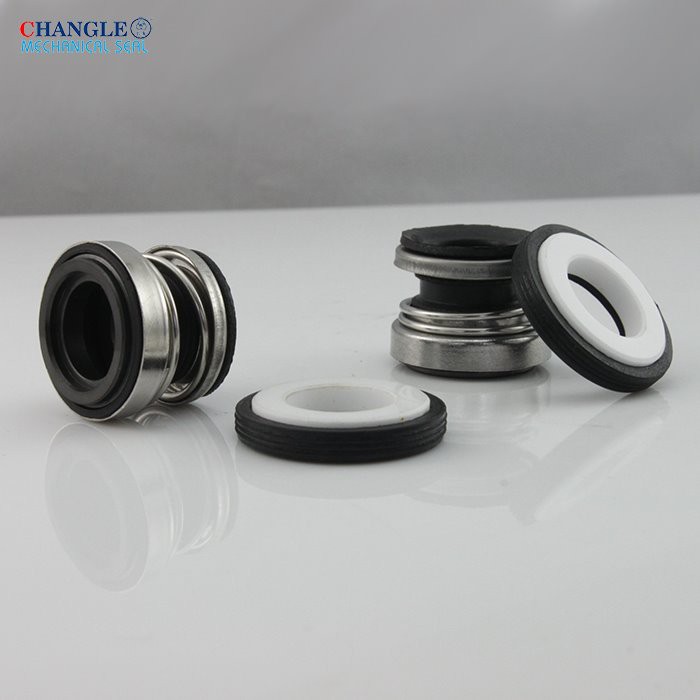

Finally, using a chemically incompatible seal can also pose safety risks. Leaks from a failed seal can release hazardous chemicals into the environment, putting workers at risk and potentially causing environmental damage. So, getting the chemical compatibility right is not just about performance and cost - it's also about safety.
Factors Affecting Chemical Compatibility
There are several factors that can affect the chemical compatibility of a Mech Seal. The type of fluid is obviously a major factor. Different chemicals have different levels of corrosiveness, and some can be more aggressive than others. For example, strong acids and alkalis are generally more corrosive than mild solvents or water.
The concentration of the chemical also matters. A highly concentrated solution is likely to be more corrosive than a dilute one. Temperature is another important factor. Higher temperatures can increase the rate of chemical reactions, which means a seal that's compatible at room temperature might not be compatible at elevated temperatures.
The duration of exposure is also significant. A seal that can withstand short-term exposure to a chemical might not hold up over a long period of time. So, when selecting a Mech Seal, it's important to consider all of these factors to ensure that the seal will be able to handle the specific conditions of the application.
Selecting the Right Mech Seal Based on Chemical Compatibility
So, how do you go about selecting the right Mech Seal based on chemical compatibility? Well, the first step is to identify the fluid that the seal will be in contact with. You need to know the exact chemical composition, concentration, temperature, and any other relevant properties of the fluid.
Once you have this information, you can start looking at the different types of seal materials available. There are several common materials used in Mech Seals, each with its own chemical resistance properties. For example, carbon is a popular choice for its good chemical resistance and self-lubricating properties. Silicon carbide is another excellent option, as it's highly resistant to abrasion and many chemicals.
It's also a good idea to consult with a seal manufacturer or supplier, like us. We have the expertise and experience to help you select the right seal for your specific application. We can recommend the best materials based on the chemical compatibility requirements and other factors like pressure, temperature, and shaft speed.
Examples of Mech Seals for Different Chemical Environments
Let's take a look at some examples of Mech Seals that are suitable for different chemical environments.
If you're dealing with water or mild aqueous solutions, a Pump Shaft Seal made from materials like nitrile rubber or EPDM might be a good choice. These materials are relatively inexpensive and offer good resistance to water and many common chemicals found in water treatment applications.
For more aggressive chemicals, such as acids and alkalis, you might need a more robust seal. A Submersible Pump Mechanical Seal made from materials like fluorocarbon rubber (Viton) or PTFE can provide better chemical resistance. These materials are more expensive but offer superior performance in harsh chemical environments.
In the case of applications involving highly abrasive or corrosive fluids, like those found in the mining or chemical processing industries, Flygt Seals made from silicon carbide or tungsten carbide can be a great option. These materials are extremely hard and resistant to wear and corrosion, making them ideal for demanding applications.
Conclusion
In conclusion, chemical compatibility is a critical factor in Mech Seal selection. It can have a significant impact on the reliability, lifespan, and safety of the pumping system. By understanding the chemical properties of the fluid and selecting the right seal materials, you can ensure that your Mech Seals perform at their best and last as long as possible.
If you're in the market for Mech Seals and need help with chemical compatibility or any other aspect of seal selection, don't hesitate to reach out. We're here to assist you in finding the perfect seal for your application. Whether you're dealing with a simple water pumping system or a complex chemical processing plant, we have the knowledge and products to meet your needs.
References
- "Handbook of Seal Technology" by John H. Bickford
- "Mechanical Seals and Their Applications" by Allan R. Brown