

What is the maximum speed a submersible pump seal can handle?
The maximum speed a submersible pump seal can handle is a critical consideration in the operation and longevity of submersible pumps. As a supplier of submersible pump seals, I have witnessed firsthand the importance of understanding this parameter. In this blog, we will delve into the factors that influence the maximum speed of submersible pump seals, explore real - world examples, and provide insights to help you make informed decisions.
Factors Affecting the Maximum Speed of Submersible Pump Seals
Material of the Seal
The material of the submersible pump seal plays a significant role in determining its maximum speed tolerance. Different materials have different mechanical properties such as hardness, flexibility, and heat resistance. For instance, carbon - ceramic seals are known for their excellent wear resistance and can withstand relatively high speeds. They are often used in applications where the pump operates at a high rotational speed. On the other hand, elastomeric seals, like those made of nitrile rubber, are more flexible but may have a lower maximum speed limit due to their susceptibility to heat generation at high speeds. Heat can cause the elastomer to degrade, leading to seal failure.
Design of the Seal
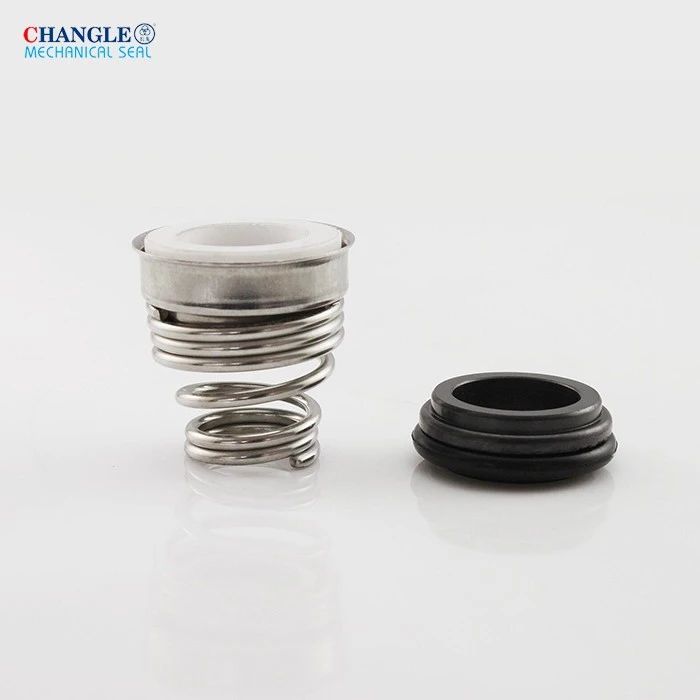
The design of the seal is another crucial factor. A well - designed seal will have a balanced hydrodynamic profile that reduces friction and heat generation at high speeds. For example, some seals are designed with special grooves or patterns on their surfaces. These features can help in the formation of a stable fluid film between the sealing faces, which not only reduces wear but also allows the seal to operate at higher speeds. Additionally, the internal structure of the seal, such as the way it is assembled and the support mechanisms it has, can impact its speed capabilities. A seal with a robust internal structure can better withstand the centrifugal forces and vibrations associated with high - speed operation.

Lubrication and Cooling
Proper lubrication and cooling are essential for a submersible pump seal to handle high speeds. The fluid being pumped acts as a lubricant between the sealing faces. If the fluid has the right viscosity and lubricating properties, it can reduce friction and prevent overheating. In some cases, external cooling systems may be required, especially for pumps operating at extremely high speeds. For example, in industrial applications where the pump is handling high - temperature fluids or running continuously at high speeds, a water - cooled jacket around the seal housing can be used to maintain an optimal operating temperature. Without adequate lubrication and cooling, the seal faces can experience excessive wear and tear, leading to premature failure.
Real - World Examples of Submersible Pump Seals and Their Speed Capabilities
Seal 301
Seal 301 is one of our popular submersible pump seals. It is made of high - quality carbon - ceramic materials, which gives it excellent wear resistance. The design of Seal 301 includes a unique hydrodynamic groove pattern on the sealing faces. This design helps in creating a stable fluid film, reducing friction, and allowing the seal to operate at relatively high speeds. In typical clean water applications, Seal 301 can handle speeds of up to 3600 revolutions per minute (RPM). This makes it suitable for many domestic and light - industrial submersible pumps.
Seal 155
Seal 155 is designed for more demanding applications. It has a more robust internal structure and is made of advanced composite materials. The seal is optimized for high - speed operation and can withstand speeds of up to 4500 RPM in clean water applications. Its design incorporates features that enhance lubrication and cooling, such as a built - in coolant channel. This allows the seal to maintain its performance even under high - speed and high - pressure conditions.
Clean Water Pump Seal
Our Clean Water Pump Seal is specifically designed for clean water submersible pumps. It is made of a combination of elastomers and hard materials, providing a good balance between flexibility and durability. This seal can handle speeds of up to 3000 RPM. It is a cost - effective solution for many small - to - medium - sized submersible pumps used in residential and commercial water supply systems.
Challenges in Determining the Maximum Speed
Determining the exact maximum speed a submersible pump seal can handle is not always straightforward. There are several challenges involved. Firstly, the operating conditions can vary widely. For example, the temperature, pressure, and the nature of the fluid being pumped can all affect the seal's performance. A seal that can handle a certain speed in clean, cold water may not be able to do so in hot, abrasive - laden water. Secondly, the interaction between different factors such as material, design, and lubrication is complex. It is difficult to isolate the effect of each factor and accurately predict the maximum speed. Additionally, the quality of the installation and maintenance of the seal also plays a role. A poorly installed seal may not be able to reach its theoretical maximum speed capabilities.
Importance of Understanding the Maximum Speed
Understanding the maximum speed a submersible pump seal can handle is of utmost importance. Operating a pump at a speed higher than the seal's capacity can lead to premature seal failure. This can result in costly downtime, as the pump will need to be shut down for repair or replacement. Moreover, a failed seal can cause fluid leakage, which can be a safety hazard in some applications, especially if the fluid is toxic or flammable. On the other hand, if the pump is operated at a speed much lower than the seal's maximum capacity, it may not be operating at its optimal efficiency, leading to increased energy consumption.
Tips for Optimizing Seal Performance at High Speeds
Select the Right Seal
Based on your pump's operating conditions, such as the speed, the type of fluid being pumped, and the temperature, select the most suitable seal. Consult with a seal expert if you are unsure. For example, if you need a seal for a high - speed pump handling abrasive fluids, a seal made of a hard, wear - resistant material like silicon carbide may be a better choice.
Ensure Proper Installation
Proper installation is crucial. Follow the manufacturer's installation instructions carefully. Make sure the seal is installed in the correct orientation and that all the components are tightened to the recommended torque values. Any misalignment during installation can cause uneven wear on the sealing faces and reduce the seal's speed capabilities.
Regular Maintenance
Regular maintenance is essential for a submersible pump seal. This includes checking the fluid level and quality, inspecting the seal for signs of wear, and cleaning or replacing the seal if necessary. A well - maintained seal is more likely to operate at its maximum speed capabilities for a longer period.
Conclusion
As a submersible pump seal supplier, I understand the complexity of determining the maximum speed a seal can handle. It is a combination of factors such as material, design, lubrication, and operating conditions. By understanding these factors and following the tips for optimizing seal performance, you can ensure that your submersible pump operates efficiently and reliably at high speeds.
If you are in the market for submersible pump seals or need more information about their speed capabilities, we are here to help. Our team of experts can assist you in selecting the right seal for your specific application. Contact us to start a discussion about your procurement needs and find the best solution for your submersible pump.
References
- "Mechanical Seals: Principles and Applications" by John Adamson
- "Handbook of Pump Technology" by Igor J. Karassik et al.
- Industry research reports on submersible pump seal technology and performance.