

Do submersible pump seals need to be replaced at regular intervals?
As a supplier of submersible pump seals, I've encountered numerous inquiries from customers regarding the necessity of regular seal replacements. This topic is crucial as it directly impacts the performance, longevity, and cost - effectiveness of submersible pumps. In this blog, I'll delve into the factors that determine whether submersible pump seals need to be replaced at regular intervals.
The Function of Submersible Pump Seals
Before discussing replacement intervals, it's essential to understand the role of submersible pump seals. These seals are designed to prevent water from entering the motor of the submersible pump. Since submersible pumps operate underwater, the motor is at constant risk of water ingress, which can lead to short - circuits, corrosion, and ultimately, motor failure. A properly functioning seal acts as a barrier, ensuring that the motor remains dry and operational.
Factors Influencing Seal Replacement
1. Operating Conditions
The environment in which the submersible pump operates plays a significant role in determining the lifespan of the seals. If the pump is used in clean water with a neutral pH and low levels of abrasives, the seals are likely to last longer. However, in harsh environments such as sewage systems, industrial wastewater, or water with high levels of sand and debris, the seals are subjected to greater wear and tear. For example, abrasive particles can gradually erode the seal surfaces, reducing their effectiveness over time. In such cases, more frequent seal replacements may be necessary.
2. Pump Usage
The frequency and duration of pump operation also affect the seals. Pumps that are used continuously for long periods are more likely to experience seal degradation compared to those used intermittently. Constant operation generates heat, which can cause the seal materials to expand and contract. Over time, this thermal cycling can lead to seal cracking or loss of elasticity. Additionally, pumps that are frequently started and stopped may experience water hammer effects, which can put additional stress on the seals.
3. Seal Quality
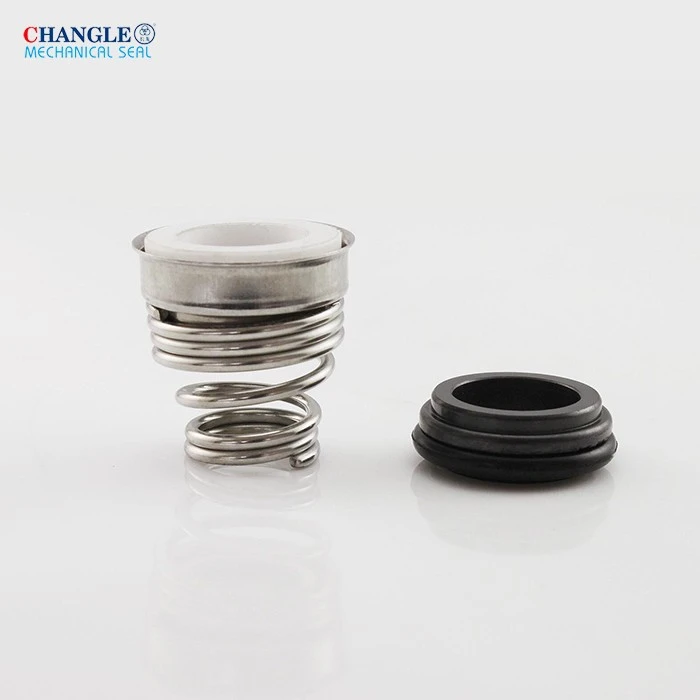
The quality of the submersible pump seals themselves is a critical factor. High - quality seals made from durable materials such as carbon, ceramic, and nitrile rubber are more resistant to wear, corrosion, and temperature variations. At our company, we offer a range of high - performance seals, including Seal 301, Seal 155, and Submersibale Pump Seal 16mm Mechanical Seal. These seals are engineered to withstand the rigors of various operating conditions, reducing the need for frequent replacements.
Signs That a Seal Needs Replacement
Even if a regular replacement schedule is not strictly adhered to, it's important to be aware of the signs that indicate a seal needs to be replaced.
1. Water Leakage
The most obvious sign is water leakage around the pump motor. If you notice water seeping into the motor housing, it's a clear indication that the seal has failed. This can lead to immediate damage to the motor if not addressed promptly.
2. Reduced Pump Performance
A drop in pump performance, such as decreased flow rate or pressure, can also be a sign of a failing seal. When water enters the motor, it can cause the motor to overheat or malfunction, resulting in reduced efficiency.
3. Unusual Noise
Unusual noises coming from the pump, such as grinding or rattling sounds, may indicate that the seals are damaged. These noises can be caused by water - induced corrosion or the presence of debris inside the motor due to seal failure.
The Case for Regular Seal Replacements
While it's possible to operate a submersible pump without regular seal replacements, there are several advantages to implementing a proactive replacement schedule.
1. Preventive Maintenance
Regular seal replacements are a form of preventive maintenance. By replacing the seals at predetermined intervals, you can avoid unexpected pump failures, which can be costly in terms of both repair and downtime. For example, a sudden seal failure in an industrial pumping system can disrupt production and result in significant financial losses.
2. Extended Pump Lifespan
Replacing the seals regularly helps to extend the overall lifespan of the submersible pump. A well - maintained pump with properly functioning seals is less likely to experience major motor damage, reducing the need for expensive pump replacements.
3. Cost - Effectiveness
Although there is an upfront cost associated with regular seal replacements, it can be more cost - effective in the long run. The cost of replacing a seal is typically much lower than the cost of repairing or replacing a damaged motor. Additionally, by avoiding pump failures, you can minimize the loss of productivity and revenue.
Determining the Replacement Interval
There is no one - size - fits - all answer when it comes to determining the ideal replacement interval for submersible pump seals. However, as a general guideline, in normal operating conditions, seals may need to be replaced every 1 - 3 years. In harsh environments, this interval may be reduced to 6 months to 1 year.
It's important to note that these are just estimates, and the actual replacement interval should be based on a careful assessment of the specific operating conditions and pump usage. Regular inspections of the seals can also help in determining when a replacement is due.
Our Seal Offerings
As a leading supplier of submersible pump seals, we offer a wide range of products to meet the diverse needs of our customers. Our Seal 301 is designed for high - pressure applications and offers excellent resistance to abrasion and corrosion. The Seal 155 is suitable for general - purpose use in clean water applications, providing reliable sealing performance. And our Submersibale Pump Seal 16mm Mechanical Seal is a popular choice for smaller submersible pumps, offering a perfect fit and long - lasting performance.
Conclusion
In conclusion, whether submersible pump seals need to be replaced at regular intervals depends on a variety of factors, including operating conditions, pump usage, and seal quality. While it's not always necessary to follow a strict replacement schedule, regular inspections and proactive maintenance can help ensure the optimal performance and longevity of the submersible pumps.
If you're in the market for high - quality submersible pump seals or need advice on seal replacement intervals, we're here to help. Our team of experts can provide you with personalized recommendations based on your specific requirements. Contact us to start a discussion about your procurement needs and let us help you find the best sealing solutions for your submersible pumps.

References
- "Pump Handbook" by Igor J. Karassik et al.
- "Mechanical Seals: Principles and Applications" by John Adamson.