

What are the maintenance requirements for mechanical oil seals?
Hey there! As a supplier of Mechanical Oil Seals, I've seen firsthand how crucial these little components are in keeping machinery running smoothly. In this blog, I'll break down the maintenance requirements for mechanical oil seals, so you can ensure your equipment stays in tip - top shape.
Understanding Mechanical Oil Seals
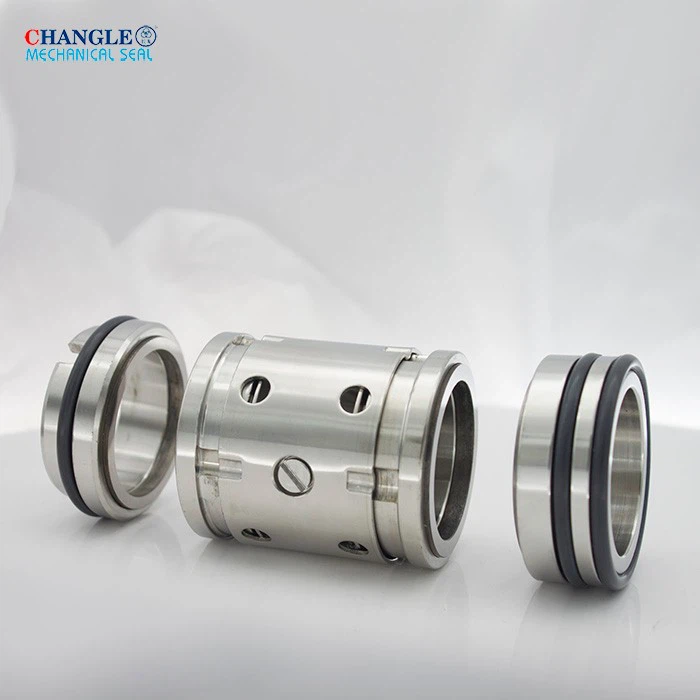
First off, let's quickly talk about what mechanical oil seals are. They're designed to prevent the leakage of lubricants like oil and grease from machinery, while also keeping out contaminants such as dust, dirt, and water. You can find them in all sorts of applications, from automotive engines to industrial pumps. If you want to learn more about them, check out this Mechanical Oil Seal page.
Regular Inspection
One of the most important maintenance requirements for mechanical oil seals is regular inspection. You should visually check the seals at least once a month, or more frequently if the machinery is in heavy - duty use. Look for signs of wear, such as cracks, cuts, or excessive deformation. A damaged seal can lead to oil leakage, which not only wastes lubricant but can also cause damage to other parts of the machinery.
Also, pay attention to the condition of the sealing surface. It should be smooth and free of scratches or corrosion. Any irregularities on the surface can prevent the seal from making a proper contact, leading to leakage. If you notice any issues during the inspection, it's best to replace the seal as soon as possible.
Lubrication
Proper lubrication is key to the longevity of mechanical oil seals. The lubricant not only reduces friction between the seal and the shaft but also helps to dissipate heat. Make sure to use the right type of lubricant recommended by the equipment manufacturer. Using the wrong lubricant can cause the seal material to swell, harden, or degrade, reducing its effectiveness.
When lubricating the seal, apply a thin, even layer of lubricant on the sealing lip. Avoid over - lubricating, as this can attract dirt and debris, which can damage the seal. If you're using an oil - lubricated system, regularly check the oil level and quality. Contaminated or low - level oil can cause premature wear of the seal.
Temperature and Pressure Management
Mechanical oil seals are sensitive to temperature and pressure changes. High temperatures can cause the seal material to expand, while low temperatures can make it brittle. Make sure that the operating temperature of the machinery stays within the recommended range for the seal. If the temperature is too high, consider installing a cooling system.
Similarly, excessive pressure can also damage the seal. Check the pressure in the system regularly and ensure that it doesn't exceed the maximum pressure rating of the seal. If the pressure is too high, you may need to install a pressure - regulating valve.
Shaft Alignment
Shaft alignment is another critical factor in the maintenance of mechanical oil seals. A misaligned shaft can cause uneven wear on the seal, leading to leakage. During the installation of the machinery, make sure that the shaft is properly aligned with the housing. You can use alignment tools to ensure accuracy.

If you notice any vibrations or unusual noises coming from the machinery, it could be a sign of shaft misalignment. In such cases, stop the machinery immediately and realign the shaft. Ignoring shaft misalignment can not only damage the seal but also other components of the machinery.
Storage
Proper storage of mechanical oil seals is also important, especially if you have spares. Store the seals in a cool, dry place away from direct sunlight and heat sources. Exposure to sunlight and high temperatures can cause the seal material to deteriorate.
Keep the seals in their original packaging until you're ready to use them. This helps to protect them from dust, dirt, and moisture. If you need to store the seals for a long time, periodically check their condition to ensure they're still in good shape.
Compatibility with Chemicals
In some industrial applications, mechanical oil seals may come into contact with various chemicals. It's essential to ensure that the seal material is compatible with the chemicals in the environment. Using a seal that's not compatible with the chemicals can cause the seal to degrade rapidly, leading to leakage.
Before installing a seal, check the chemical compatibility chart provided by the seal manufacturer. If you're unsure, you can also consult with a technical expert. For example, if you're dealing with a chemical - processing application, you might need a specialized seal like the Grundfos Mechanical Seal or Fluiten Mechanical Seal, which are designed to withstand specific chemical environments.
Installation
Proper installation is the first step in ensuring the long - term performance of mechanical oil seals. Follow the installation instructions provided by the manufacturer carefully. Use the right tools for the installation, such as a seal installer. Avoid using sharp tools that can damage the seal during installation.
Make sure that the seal is installed in the correct orientation. Installing the seal backwards can cause it to fail prematurely. Also, clean the installation area thoroughly before installing the seal to remove any dirt or debris.
Monitoring
In addition to regular inspections, continuous monitoring of the seal's performance can help you detect potential problems early. You can use sensors to monitor parameters such as temperature, pressure, and vibration. If any of these parameters deviate from the normal range, it could be a sign of a problem with the seal.
By monitoring the seal's performance, you can schedule maintenance and replacement in a timely manner, reducing the risk of unexpected breakdowns.
Conclusion
Maintaining mechanical oil seals is essential for the proper functioning of machinery. By following these maintenance requirements, you can extend the lifespan of the seals, reduce the risk of oil leakage, and prevent damage to other parts of the machinery.
If you're in the market for high - quality mechanical oil seals or need more advice on seal maintenance, don't hesitate to reach out. We're here to help you find the right solutions for your specific needs. Whether you're dealing with a small - scale application or a large - scale industrial project, we've got the expertise and products to keep your machinery running smoothly.
References
- Machinery Lubrication Handbook
- Seal Manufacturer's Installation and Maintenance Guides