

What is the working pressure range of Mech Seals?
As a supplier of mechanical seals (Mech Seals), understanding the working pressure range of these essential components is crucial for both our business and our customers. Mechanical seals play a vital role in preventing leakage of fluids in various industrial applications, such as pumps, mixers, and compressors. In this blog, we will delve into the factors that determine the working pressure range of Mech Seals, the different types of seals and their pressure capabilities, and how to select the right seal for specific pressure requirements.
Factors Affecting the Working Pressure Range of Mech Seals
Several factors influence the working pressure range of mechanical seals. These factors must be carefully considered during the design and selection process to ensure the seal's optimal performance and longevity.
Seal Design
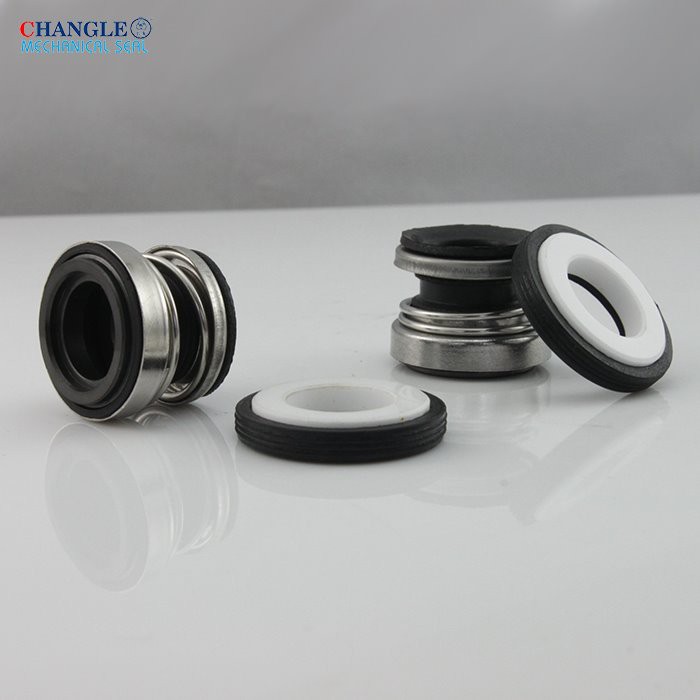
The design of a mechanical seal is one of the primary factors that determine its pressure - handling capacity. There are different types of mechanical seal designs, including single seals, double seals, and tandem seals. Single seals are the most basic type and are typically used for lower - pressure applications. Double seals and tandem seals are designed to handle higher pressures and provide additional protection against leakage.
For example, a balanced mechanical seal is designed to reduce the load on the sealing faces, allowing it to operate at higher pressures. The balanced design distributes the pressure more evenly across the seal faces, reducing the risk of face distortion and excessive wear.
Seal Materials
The materials used in the construction of a mechanical seal also have a significant impact on its pressure range. The sealing faces, which are in contact with each other and prevent leakage, are usually made of hard materials such as silicon carbide, tungsten carbide, or ceramic. These materials can withstand high pressures and are resistant to wear and corrosion.
The elastomers used in the seal, such as O - rings or gaskets, must also be able to withstand the pressure and the chemical properties of the fluid being sealed. For high - pressure applications, elastomers with high - strength and heat - resistant properties are often used.
Fluid Properties
The properties of the fluid being sealed, such as its viscosity, density, and chemical composition, can affect the working pressure range of the mechanical seal. High - viscosity fluids require more force to seal effectively, which may limit the maximum pressure that the seal can handle. Additionally, corrosive or abrasive fluids can cause damage to the seal components, reducing its pressure - handling capacity over time.
Shaft Speed
The rotational speed of the shaft on which the mechanical seal is installed can also influence its pressure range. Higher shaft speeds generate more heat and can cause increased wear on the seal faces. This can reduce the seal's ability to maintain a tight seal at high pressures. Therefore, the seal design and materials must be selected to accommodate the specific shaft speed of the application.
Different Types of Mech Seals and Their Pressure Capabilities
Single Mechanical Seals
Single mechanical seals are the most commonly used type of seal in low - to medium - pressure applications. They consist of a single set of sealing faces and are relatively simple in design. Single seals can typically handle pressures up to around 10 - 15 bar (145 - 218 psi), depending on the design and materials used.
Double Mechanical Seals
Double mechanical seals are used in applications where a higher level of leakage prevention is required, such as in the handling of hazardous or valuable fluids. They consist of two sets of sealing faces, separated by a buffer fluid. Double seals can handle pressures up to 30 - 40 bar (435 - 580 psi) or more, depending on the specific design.
Tandem Mechanical Seals
Tandem mechanical seals are similar to double seals but are designed for even higher - pressure applications. They have two sets of sealing faces in series, with an intermediate chamber between them. Tandem seals can handle pressures in excess of 40 bar (580 psi) and are often used in high - pressure pumps and compressors.
Selecting the Right Mech Seal for Specific Pressure Requirements
When selecting a mechanical seal for a particular application, it is essential to consider the specific pressure requirements. Here are some steps to follow:

Determine the Operating Pressure
The first step is to accurately determine the operating pressure of the system. This includes considering both the normal operating pressure and any potential pressure spikes or fluctuations that may occur.
Evaluate the Fluid Properties
As mentioned earlier, the properties of the fluid being sealed can affect the seal's performance. Consider the fluid's viscosity, density, chemical composition, and temperature to select the appropriate seal materials.
Choose the Right Seal Design
Based on the operating pressure and fluid properties, choose the most suitable seal design. For low - pressure applications, a single mechanical seal may be sufficient. For higher - pressure applications, double or tandem seals may be required.
Consider Other Factors
In addition to pressure and fluid properties, other factors such as shaft speed, installation space, and maintenance requirements should also be considered. These factors can influence the overall performance and reliability of the mechanical seal.
Examples of Mech Seals and Their Applications
Chesterton Mechanical Seals
Chesterton Mechanical Seals are known for their high - quality and reliable performance. They offer a wide range of mechanical seals suitable for various pressure ranges and applications. Chesterton seals are used in industries such as chemical processing, oil and gas, and power generation, where high - pressure and reliable sealing solutions are required.
Mechanical Water Seal
Mechanical Water Seal is designed specifically for applications involving water or other non - aggressive fluids. These seals are typically used in pumps, water treatment plants, and HVAC systems. They can handle a wide range of pressures, depending on the specific design and materials used.
Pump Shaft Seal
Pump Shaft Seal is an essential component in pump systems. It prevents leakage of the pumped fluid along the shaft and ensures the efficient operation of the pump. Pump shaft seals are available in different designs and materials to accommodate various pressure and fluid requirements.
Conclusion
Understanding the working pressure range of mechanical seals is essential for selecting the right seal for your application. By considering factors such as seal design, materials, fluid properties, and shaft speed, you can ensure that the seal operates effectively and reliably under the specific pressure conditions. As a Mech Seal supplier, we are committed to providing our customers with high - quality seals that meet their pressure requirements. If you have any questions or need assistance in selecting the right mechanical seal for your application, please contact us for a consultation. Our team of experts is ready to help you find the best sealing solution for your needs.
References
- "Mechanical Seals Handbook" by John S. Falvey
- "Sealing Technology for Rotating Equipment" by Heinz P. Bloch and Fred K. Geitner